
Your Website Is More Than a Pretty Design: What Makes It Perform
Learn how responsive web design, website speed, clear navigation, and SEO-friendly structure can improve user experience and support business goals
Your Website Is More Than a Pretty Design: What Makes It Perform
A visually attractive website can create a strong first impression, but appearance alone does not guarantee a successful online experience. Visitors also expect pages to load efficiently, information to be easy to find, and important actions to be simple to complete.
For businesses, an effective website combines visual design, usability, technical performance, and clear communication. When these elements work together, your website can become a valuable tool for attracting visitors and supporting business goals.
What Makes a Website Effective?
1. Clear and Purposeful Design
Your website should communicate what your business does without making visitors search for basic information. Clear headings, readable typography, consistent colors, and thoughtful layouts help people understand your message.
Every section should serve a purpose, whether it introduces your services, demonstrates your expertise, or encourages visitors to contact you.
2. Responsive Design for Every Screen
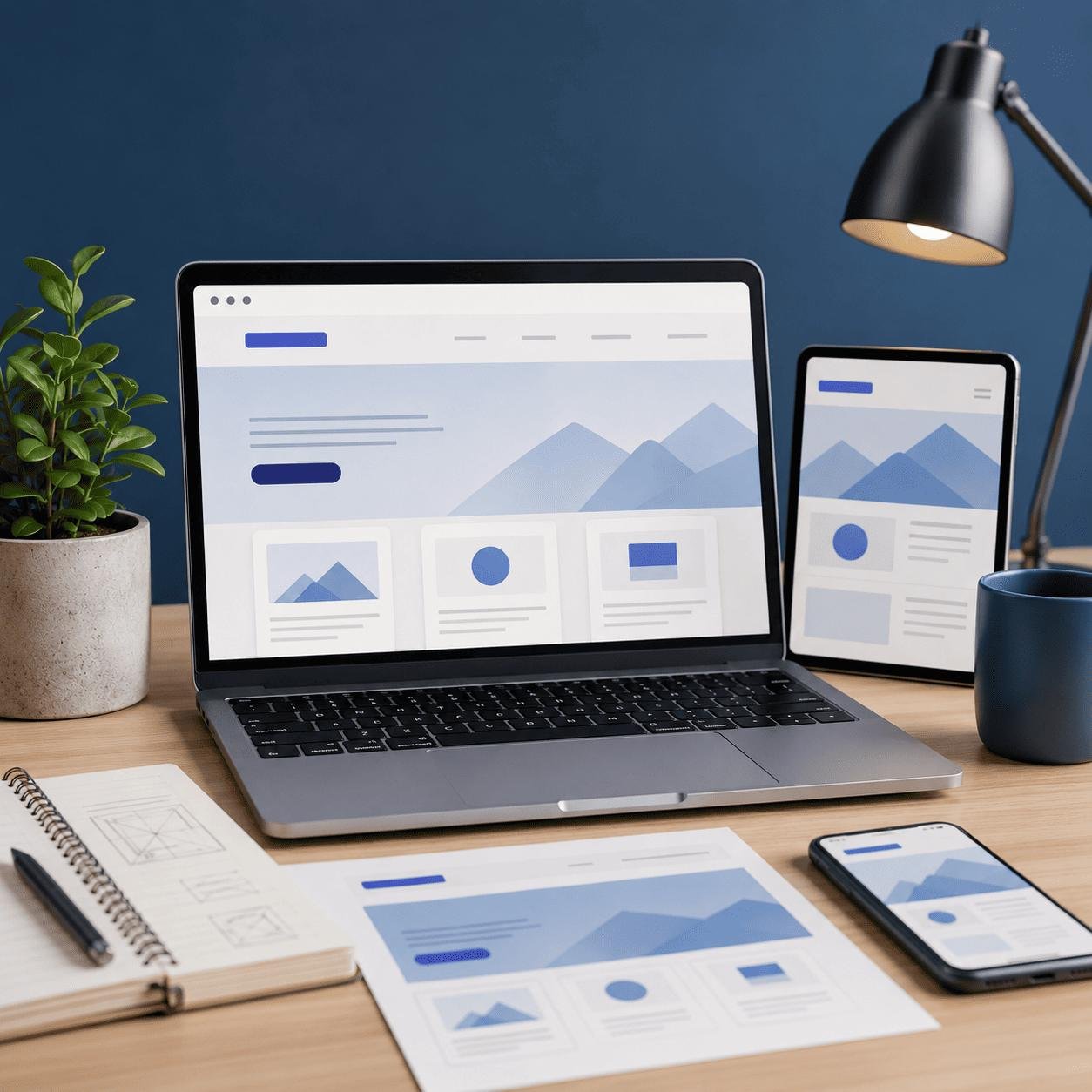
People browse websites using smartphones, tablets, laptops, and desktop computers. Responsive web design helps your layout adapt to different screen sizes while keeping text readable, navigation accessible, and important elements usable.
Mobile usability is especially important for businesses that receive enquiries or sales through mobile devices.
3. Speed and Technical Performance
Slow-loading pages can frustrate visitors and interrupt their journey. Optimizing images, reducing unnecessary scripts, using efficient code, and selecting suitable hosting can help improve website performance.
Tools such as Google PageSpeed Insights can help identify performance issues. Results should be evaluated alongside real user experience rather than treated as the only measure of website quality.
4. Simple Navigation
Visitors should be able to find essential information without unnecessary effort. Organize pages into logical categories, use descriptive navigation labels, and make important destinations easy to reach.
For service businesses, this may include dedicated service pages, a clear contact page, and visible enquiry options.
5. Strong Calls to Action
A call to action tells visitors what to do next. Depending on your business, this could be requesting a quote, booking a consultation, exploring a service, or completing a purchase.
Use clear, relevant wording and place calls to action where they naturally support the visitor’s journey.
How Web Design Supports SEO
Search engine optimization involves more than adding keywords to a page. A well-structured website helps search engines understand its content and helps users navigate it.
Useful foundations include descriptive page titles, meaningful headings, internal links, crawlable navigation, accessible content, and mobile-friendly layouts.
Technical SEO also matters. Broken links, indexing problems, duplicate pages, and unnecessary redirects can affect how effectively search engines access your website. These issues should be identified and addressed as part of ongoing maintenance.
Good web design supports SEO, but rankings also depend on content relevance, competition, authority, and other factors.
Common Website Mistakes to Avoid
- Using oversized images that slow down page loading.
- Hiding important information beneath excessive decorative elements.
- Creating confusing navigation menus.
- Using low-contrast text or difficult-to-read typography.
- Ignoring mobile layouts and touch-friendly controls.
- Adding too many pop-ups or competing calls to action.
- Publishing service pages with little useful information.
Avoiding these mistakes helps create a more focused and accessible website experience.
When Is It Time for a Website Redesign?
A redesign may be worthwhile when your website no longer reflects your brand, performs poorly on mobile devices, has confusing navigation, or makes it difficult for visitors to complete important actions.
Before rebuilding everything, review analytics, customer feedback, performance data, and conversion paths. These insights can help identify whether you need a complete redesign or targeted improvements.
Build a Better Digital Experience with Design Echoes
Your website should do more than look impressive. It should communicate your value, guide visitors, and make the next step clear.
At Design Echoes, we combine creative web design and development with responsive layouts and user-focused thinking to help businesses create stronger digital experiences.
e brands personality, and turn ideas into visual stories.
Design Echoes offers creative design, character development, and 2D/3D animation solutions tailored to different business and storytelling needs.
